Research
Our work is grounded in field research. Both scoping reports below are based on
field visits, expert interviews and desk research.
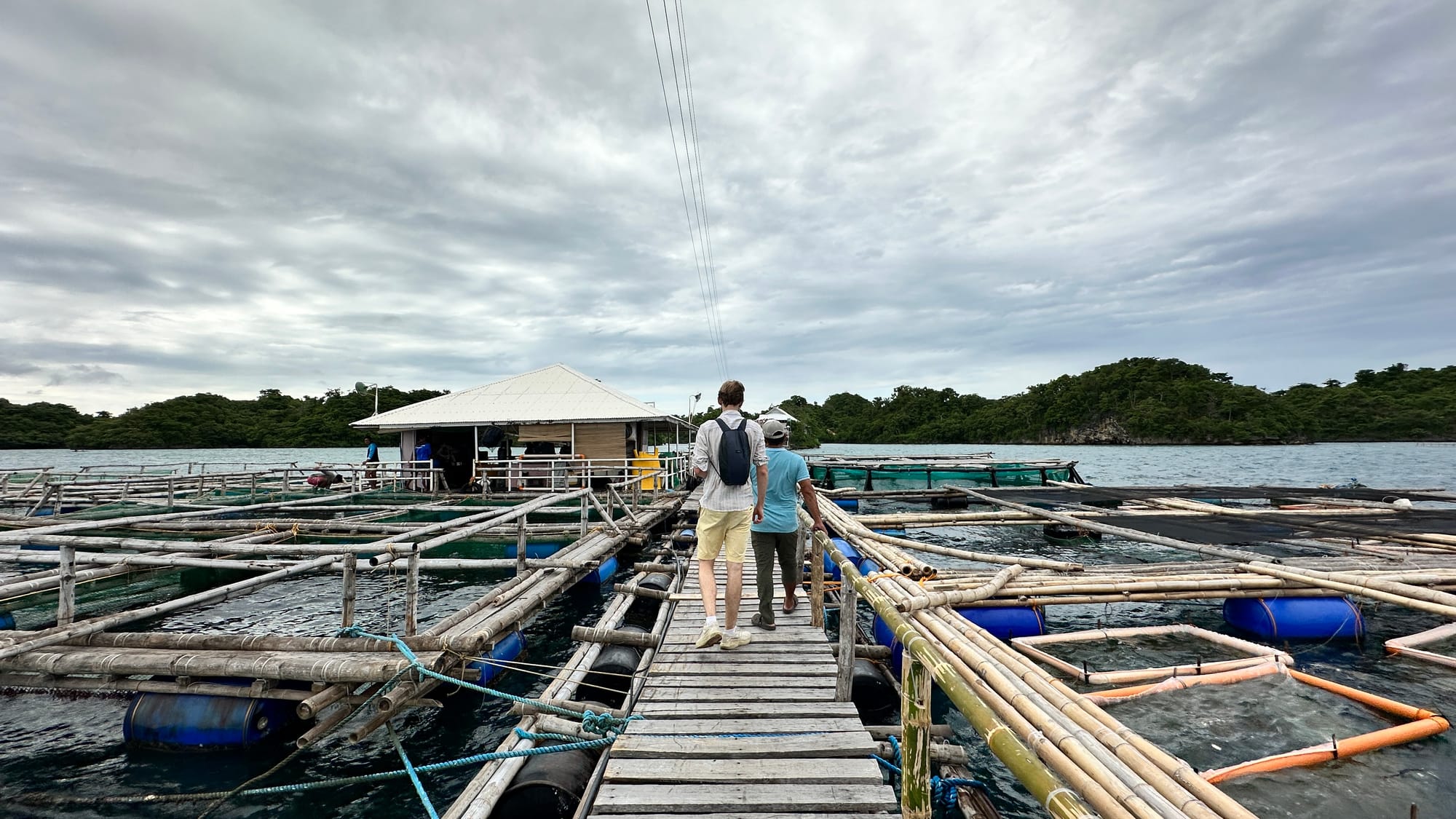
Philippines Scoping Report
Milkfish & tilapia · published October 2025
A review of the farmed milkfish and tilapia industries, based on a three-week
field visit in July 2025 across the country's major production hubs. We
interviewed 20 farms and farmers, visited three research facilities, engaged
three government agencies, and toured multiple fish ports and markets.
The main welfare problems we observed were:
- Slaughter without stunning. Fish are rarely stunned before
slaughter; milkfish are typically killed by ice chilling, and live-sold
tilapia endure crowded transport and market holding before an unstunned death.
- Mass fish-kill events. Sudden die-offs from rapid
environmental change recur annually, with reported mortality from around 50%
in Laguna Lake to up to 90% in some cage farms.
- High mortality in hatcheries and grow-out. Some facilities
report losses of up to 70%, often from unidentified causes — a sign of
systemic gaps in early-stage fish health and husbandry.
- Chronic poor water quality. Many fish are raised in pens and
cages in natural water bodies where farmers cannot control conditions, and
monitoring is minimal — most rely on visual signs alone.
Download the full report (PDF) 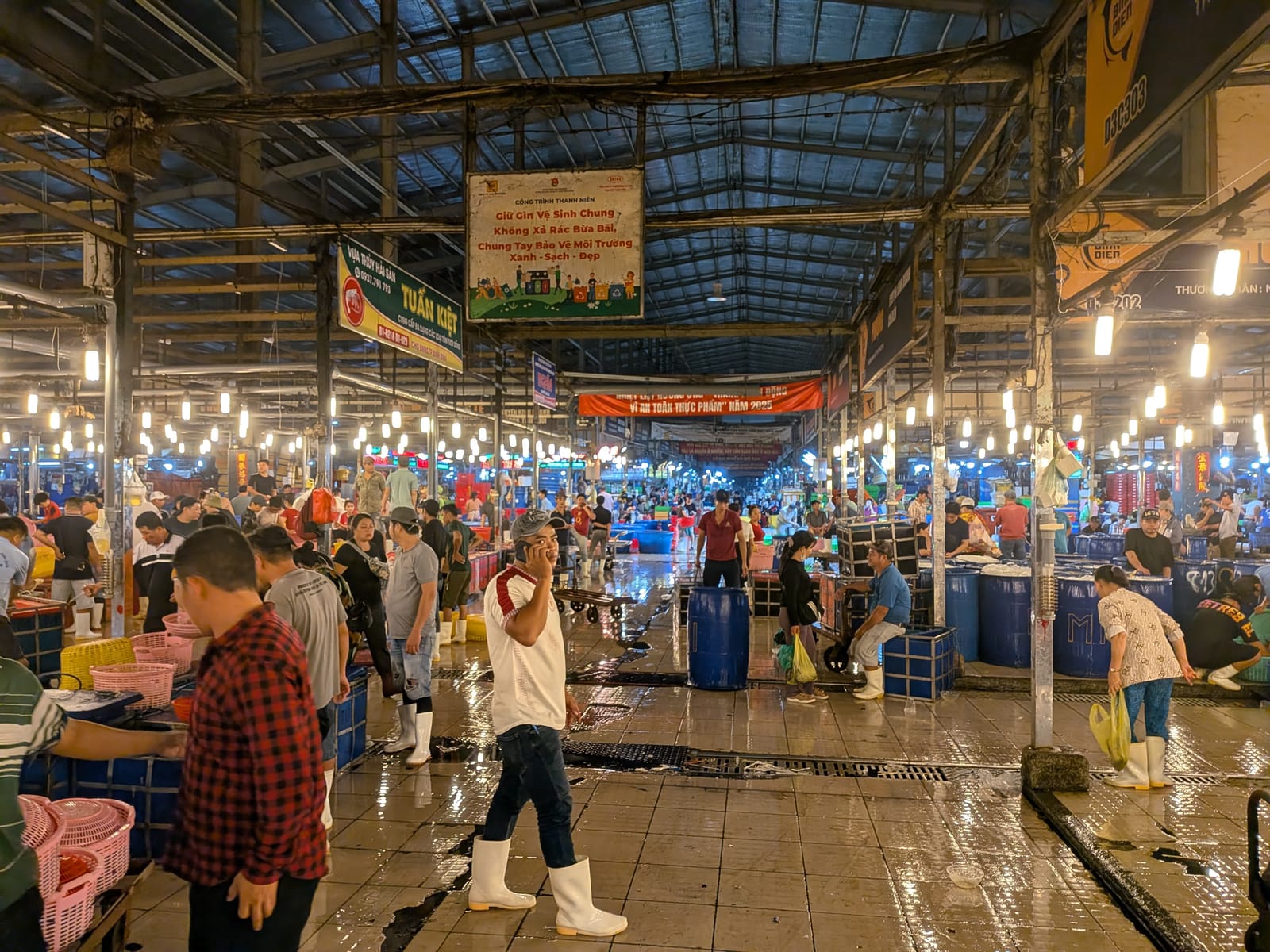
Vietnam Scoping Report
Pangasius · published January 2026
A foundational assessment of the farmed pangasius industry, based on research
from October 2025 to January 2026 anchored by field visits in the Mekong River
Delta. We visited one nursery, seven grow-out farms and three processing
facilities, alongside a literature review and expert interviews.
We identified welfare concerns at every stage of the production cycle, most notably:
- Slaughter without stunning. Fish are commonly slaughtered at
processing plants without any prior stunning.
- Extreme crowding in well-boat transport. Very high stocking
densities moving fish from farm to factory cause stress, physical injury and
asphyxiation.
- Prolonged pre-harvest fasting. Fish are fasted before
harvest — typically two days, but up to five or six on large farms where a
single pond takes days to clear.
- Grow-out conditions. Disease outbreaks, poor water quality
and high stocking densities, with further handling stress and injury during
larvae transport and the nursery stage.
Download the full report (PDF)